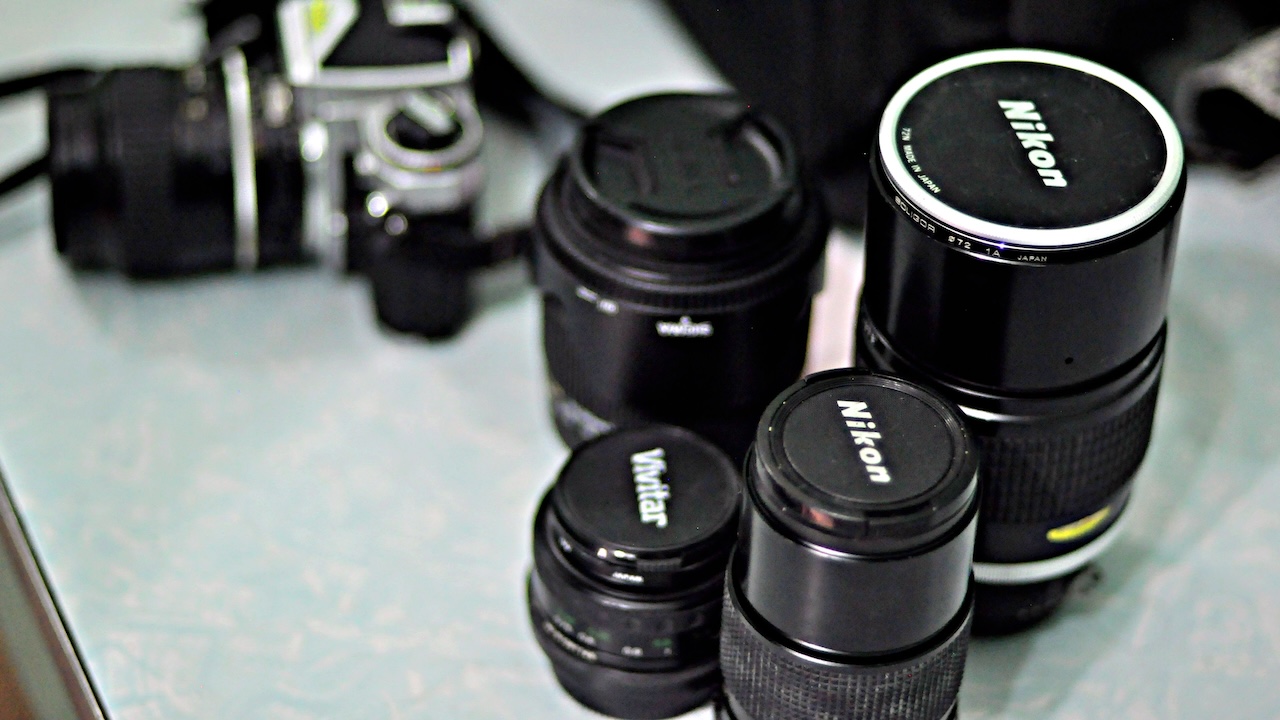
Nikon has long been a pioneer in photography, seamlessly transitioning its optical expertise from traditional film to digital single-lens reflex (DSLR) and compact camera systems. During the early digital revolution, Nikon introduced groundbreaking models that set standards for image quality, ergonomics, and accessibility for both enthusiasts and beginner photographers.
Below is an overview of four landmark Nikon cameras that defined an era of digital imaging.
1. Nikon D70: The Enthusiast’s DSLR
The Nikon D70 stands out as a high-performance 6.0-megapixel digital SLR designed for advanced hobbyists and practical field use. Built with a stainless steel chassis wrapped in durable polycarbonate, it offers robust construction while remaining light enough for everyday travel.
Sensor & Performance: Equipped with a 6-megapixel sensor and an ISO sensitivity range of 200–1600, it performs reliably across diverse lighting conditions, from full daylight to shaded environments.
Speed & Optics: Features a fast 1/8000-second maximum shutter speed and a continuous shooting rate of 3 frames per second (fps).
Lens Compatibility: Paired standard with a 50mm AF Nikkor lens or an 18–70mm kit lens.
Storage: Uses CompactFlash (CF) memory cards for media storage.
2. Nikon Coolpix 8800: High-Zoom Precision
For photographers seeking bridge-camera convenience with high-end SLR capabilities, the Nikon Coolpix 8800 delivered impressive image quality in a compact, highly capable body.
Resolution & Display: Features an 8.0-megapixel resolution paired with a 1.8-inch fully articulating flip-out/swivel LCD screen for flexible framing.
Optical Stabilization & Zoom: Outfitted with a 35–350mm equivalent lens providing a 10x optical zoom range. Built-in Vibration Reduction (VR) image stabilization minimizes blur from camera shake, even when shooting macro subjects as close as 3 cm.
User Controls: Key settings—such as ISO sensitivity, image quality/size, and white balance—are directly accessible via intuitive control dials.
Burst Modes & Storage: Includes continuous burst shooting options (1.2 fps or 2.3 fps), making it a solid choice for sports and action, backed by CompactFlash storage support.
3. Nikon D50: The Beginner-Friendly DSLR
Designed with entry-level and family photographers in mind, the Nikon D50 brought DSLR versatility to everyday users through intuitive automated controls.
Sensor & Display: Built around a 6.1-megapixel sensor and a clear 2.0-inch LCD screen for image review.
Scene Modes: Includes 7 tailored shooting modes: *Auto, Portrait, Landscape, Close Up, Sports, Night Portrait, and Child.
Continuous Shooting: Shoots at up to 2.5 frames per second, with uninterrupted buffer performance allowing long continuous image bursts.
Lens & Software Suite: Bundled with an AF-S DX Zoom-Nikkor 18–55mm lens and editing software that allows users to edit photos and burn slide shows to VCD or DVD media.
4. Nikon Coolpix 4800: Classic Compact Point-and-Shoot
The Nikon Coolpix 4800 offers an accessible entry point into digital photography, combining compact utility with a generous optical zoom range.
Sensor & Lens: A 4.0-megapixel camera featuring an 8.3x optical zoom (6–50mm Nikkor ED lens) with continuous autofocus to ensure sharp results.
Display & Video: Equipped with a 1.8-inch LCD screen and capable of recording short video clips with playback support.
Guided Shooting: Features scene assist modes—including portrait framing overlays—to help beginners learn proper composition and exposure settings.
Included Accessories: Ships with a rechargeable Lithium-ion battery pack and built-in SD card support.
Summary
Whether you are looking for a rugged DSLR like the D70 or a high-zoom bridge model like the Coolpix 8800, Nikon’s early digital lineup offers a fascinating look into the technology that shaped modern photography.
Leave a Reply